(Interview) THE FIX: "But I don't think there's ever really a final destination when you're making music. You keep changing, learning, and figuring things out."
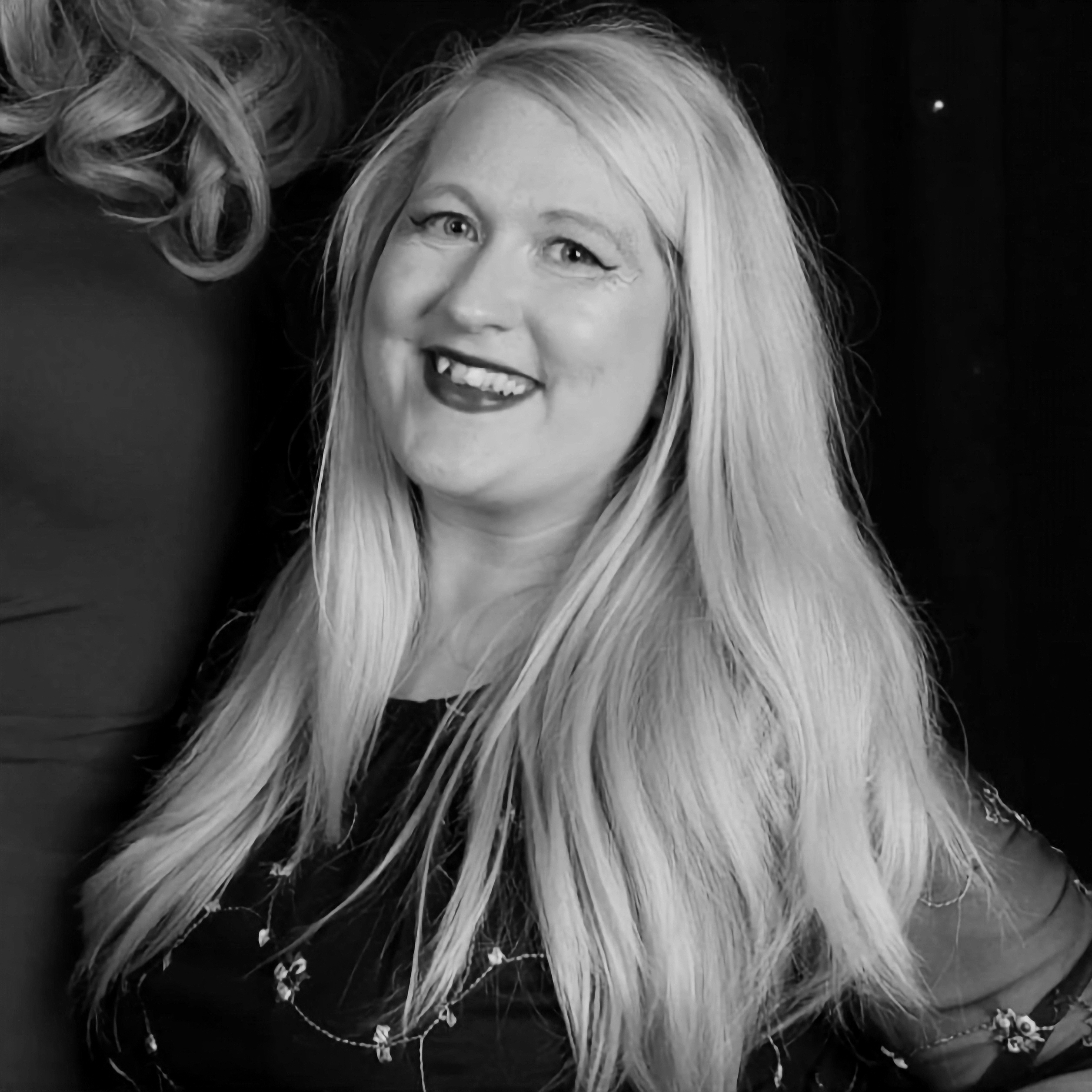

“At the end of the day, I want people to watch us perform and think, “That's a great band.” That's what matters most.” That is one statement that is easily applicable to THE FIX, and while that is a hope, the members have a valid reason behind it. Within South Korea and the rise of rock and indie globally, embraced by music fans, they hope they look beyond them being a female rock band.
Live, they embody an energy like no other, and this year has seen some standout singles. Take "Die in the Moshpit", for example, one that was made to be heard live, and as Leenzy describes, “Honestly, I think this song makes the most sense when you hear it live." We always think about how our songs might feel on stage, but you can never completely predict how an audience will respond.”
Together the three members, Leenzy, ZO, and Nayoung, have created visuals that make them stand out too. It complements their sound and is another way to express their identity before hearing the music. I spoke to the members about their latest release, the many festivals played throughout South Korea and much more.
You’ve just released the new single “retro area”. What inspired that title, and what retro eras inspire your very own creativity?
Leenzy: I think "retro era” is more about an attitude than a specific time period. What I love about rock music is the sense of freedom and individuality that has carried through different generations.
We're inspired by the sounds, styles, and energy of different eras, and I think there's something really exciting about bringing those influences into the present.
For us, it's about appreciating what came before us while adding our own perspective. We want to create something that feels nostalgic in some ways but still fresh and unmistakably THE FIX.
This year has seen some really strong standout singles, including "Die in the Moshpit", which goes down incredibly well live. Had you gone into making the track knowing it would translate well not only on stage but also for audiences to participate in too?
Leenzy: Honestly, I think this song makes the most sense when you hear it live. We always think about how our songs might feel on stage, but you can never completely predict how an audience will respond.
There's something about the energy between us and the audience that you just can't fully capture in a recording. I love seeing people completely let go and just enjoy themselves.
That's one of my favourite things about being in a rock band. Sometimes you don't need to think too much. You just need to feel it.
Are there any rock artists that have inspired you to create such tracks? Either growing up or in the current scene?
Leenzy: I've never really been the kind of person who sticks to just one genre. I actually listen to a lot of pop and R&B in my everyday life.Personally, I love artists like Saya Gray and Bon Iver. I'm drawn to music that feels emotional, experimental, and a little unpredictable.
At the same time, being part of THE FIX has given me a deeper appreciation for rock music. We've learned a lot from bands like Bring Me The Horizon and Paramore, especially in terms of their energy, musical versatility, and the way they've continued to evolve over time.
I think having different musical influences is one of our strengths. Rock is a big part of who we are, and I love exploring how we can bring other musical elements into that foundation to create something of our own.
The mini-album Are We There Yet was released back in June. What was the general goal when going into the whole process? How did you decide how many tracks to feature and the overall vibe?
Leenzy: I think the title says a lot about where we were mentally. We've been doing this for a few years now, and there are moments when you wonder, “Are we actually getting somewhere?” But I don't think there's ever really a final destination when you're making music. You keep changing, learning, and figuring things out.

I wanted the album to feel like us at that moment, even if that meant showing different sides of ourselves instead of sticking to one sound.
The album artwork, like much of your work, is so abstract and different, and a little out there is that the aesthetic and brand you hope to be associated with, and who THE FIX are as a group?
Leenzy: I've always been drawn to things that feel a little unexpected or unconventional.
I actually created the artwork for THE FIX myself, so the visual side of the band is something very personal to me. I see it as another way of expressing our music, rather than something separate from it.
I think one of the exciting things about being an artist is having the freedom to explore different sides of yourself. I love the idea of THE FIX having an identity that can continue to evolve rather than being defined by one particular image.
For me, the most important thing is that the music, the visuals, and everything we create feel connected and authentic to who we are.
What made you want to bring rock together with electronic elements and modern production? When you began, what was your original concept, and over time, how has the band's identity grown?
Leenzy: I think rock music has always had this incredible energy and freedom, and that's something I really love about it.
At the same time, we're all influenced by different kinds of music, so bringing electronic elements and modern production into our sound has felt like a natural part of our creative process.
I love how different sounds can bring out different emotions and add new dimensions to a song.
Over time, I think we've become more confident in exploring those possibilities and finding our own balance between the raw energy of rock and the different musical influences we bring to the band.
As a female rock band in South Korea, do you feel there are particular expectations placed on you, or do you feel more freer being able to change your sound and image and doing things on your own terms without having to be put in a particular mould?
Leenzy: I think being an all-female rock band naturally makes us stand out, especially in Korea. And while I'm proud of who we are, I hope people can see us first and foremost as musicians. Being women is part of our identity, but it doesn't have to define what our music should sound like or how we should present ourselves.
I think there's something really empowering about being able to make our own creative choices and grow in our own direction.

At the end of the day, I want people to watch us perform and think, “That's a great band.” That's what matters most to me.
Having formed through SuperBand 2 in 2021 and debuting with RUSH in 2022. Do you ever look back on your time then compared to how you all work together now and what you’ve learnt within the industry as a group?
Leenzy: We've changed a lot. I think we had to.When we first started, everything was new, and we were still figuring out how to work together. Now we know each other much better, including our strengths and weaknesses.
One thing I've learned is that being in a band isn't always about agreeing on everything. Sometimes it's about understanding why someone sees things differently. And now that we're taking more control over our own careers, I've realised how much work goes into keeping a band going beyond just making music. It's challenging, but I think it's made us stronger.
As you all grew up, were there any artists that caught your attention and made you think about being artists yourselves?
Leenzy: I've always been fascinated by artists who create their own world. Not just good singers or musicians, but people who have a very clear personality in everything they do.
I think I was drawn to the idea of being an artist because I wanted to express things that I couldn't really explain in everyday life. Music felt like the most natural way for me to do that. And honestly, it still does.
ZO you have experience in DJing, production and multiple instruments, alongside the band's vocals. How do you juggle so much and a guitar-driven sound? How do you combine your different strengths when developing a new track?
ZO: Rather than focusing on mastering multiple instruments individually, I tend to approach music by understanding the role each instrument plays within a song and how it contributes to the overall sound. These experiences have helped me see music from a broader perspective, rather than limiting myself to a particular instrument or role.
THE FIX's music often involves many layers of sound, so when it comes to live performances, deciding which parts to play live and which to use as backing tracks is an important part of the process. I mainly play bass, but depending on the song, I might play bass lines or lead parts on a synthesiser or switch to piano. Sometimes, I also perform DJ sets, incorporating DJing and finger drumming into the show.
While Leenzy and Nayoung express their individual sounds in a more direct and powerful way, I see my role as connecting those different elements and bringing the overall sound together. I want the audience to feel that all the sounds they're hearing on stage are genuinely coming from just the three of us. I think that's both my role in THE FIX and how I express my own musical identity within the band.
Leenzy, you made your solo debut before THE FIX was formed. How does expressing yourself through solo music differ from working within a band, and what have you learned from each experience that you bring to the other?
Leenzy: I approach my solo music and THE FIX from very different perspectives.
With my solo work, I can be a little selfish, in a good way. I can follow whatever I'm feeling or whatever sounds interesting to me without having to think about anyone else.
But with THE FIX, I naturally take a step back and look at the bigger picture. I'm constantly thinking about where we're going, what kind of band we want to be, and how everything fits together.
Since I'm involved in shaping the creative direction of both projects, I also try to make sure they don't overlap too much. Especially with THE FIX, I'm conscious of not letting my personal tastes or ideas dominate everything. It's a band, after all, and I want it to reflect all of us, not just me.
I think a lot about our music, visual identity, live shows, and how we present ourselves as a band. Sometimes it's a lot to think about, but I actually enjoy that responsibility. My solo career gives me the freedom to explore who I am as an individual, while THE FIX challenges me to create something that goes beyond myself. I think I need both.
Nayoung, alongside guitar, has an interest in DJing and vintage fashion. These elements seem to come through not just in music but also in the socials and overall vibe of the group. How important is it to stay true to your creative vision, and are there any art forms you'd like to incorporate into bands' music or visual direction?
Nayoung: These days, the first thing I look for in clothes is how easily I can move in them. When I dress for comfort, sometimes the outfit looks a little sloppy, or I’ll get dressed and realise I’m wearing sweats from head to toe.
That’s when I’ll add a faded accessory to give the look a little character. It’s my way of saying, “Yeah, I dressed like this on purpose!” I might layer a distressed top under a tracksuit or wear heeled boots or combat boots with it. I think all those little choices come together to give my style a vintage feel.
I have a similar taste in music, and it comes through in my guitar playing. I’m drawn to playing that’s easy to listen to but has something unexpected about it. I love hearing a part that makes me go, “Wait, what was that?” I want to give people moments like that in my own playing, too. The funny thing is, when I watch music videos or live performances of songs I love, I sometimes notice the artists dress a lot like me. That’s when I realise I’m drawn to the same kinds of details in what I wear and what I listen to.
You play with a lot of genres and sounds within your discography. Are there any particular genres or collaborations you would like to explore in the future?
Leenzy: I'm always curious about what happens when different musical worlds come together.
I personally love pop and alternative music, so I'd be really interested in exploring more of those influences within THE FIX.
I'd also love to collaborate with artists who come from completely different musical backgrounds.
I think the most exciting collaborations are the ones where you end up creating something neither side would have made on their own.
This summer saw you perform at a lot of festivals and become the ones to watch. When it comes to putting together a setlist, how important is it for you to structure not only a strong setlist but also showcase who you are in an allotted amount of time?
Leenzy: I think a festival setlist is a great opportunity to show people who we are as a band.
Since we have a limited amount of time, and many people in the audience might be seeing us for the first time, I always think about how we can make the most of every moment.
I pay a lot of attention to the flow of the show, from how we open and build the energy to the moments when we slow things down and how we bring everything to a close.For me, it's not just about performing a collection of songs. It's about creating an experience that stays with people. I want them to walk away feeling like they've really experienced THE FIX and hopefully wanting to see us again.
Finally, what is the next big goal you’d love to achieve next?
Leenzy: I want THE FIX to go further than we ever imagined.
We've already been through a lot together, and I feel like we're only just starting to understand what we're capable of.
Of course, I want us to play bigger festivals, tour internationally, and reach people who might never have heard of a Korean rock band before.
But I also want us to keep making music that we're genuinely proud of.
I don't want to look back one day and feel like we played it safe. I'd rather take risks, make mistakes, and keep moving forward.
Written & Interviewed by Kirsty Bright
FOLLOW THE FIX:


