(Interview) Samira: "This next chapter really represents who I am: pop music, emotional lyrics and real song writing, as I write my own music. "
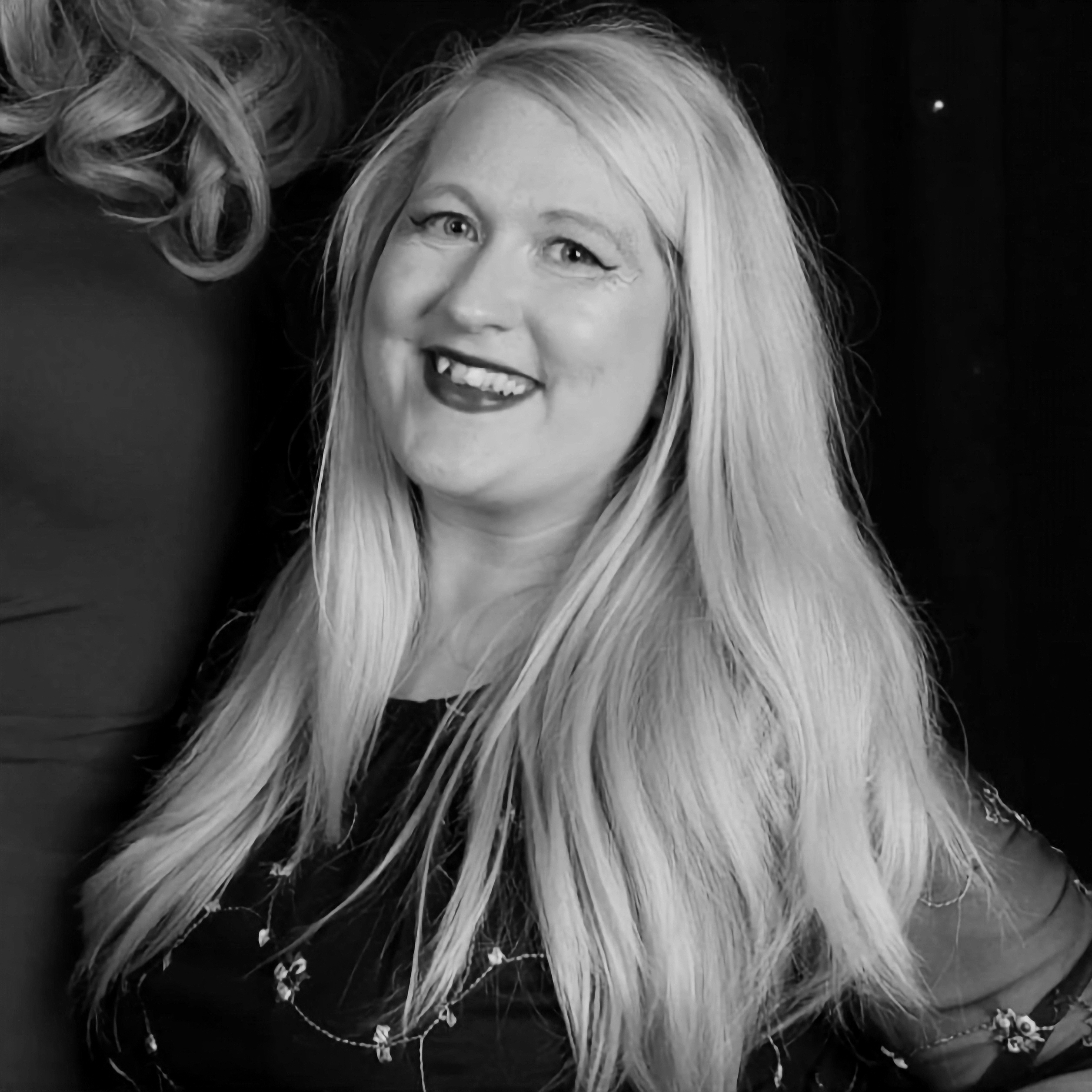

Singer-songwriter Samira has had quite the journey into the music industry. At 20 years old, Samira made her West End debut starring in Mamma Mia before later appearing on the fourth season of Love Island. Those experiences helped her gain a clearer understanding of the artistic path she knew would work best for her.
Like many artists, Samira’s journey to finding her own creative identity was never straightforward. But after years of navigating and overcoming expectations, Samira has finally found hers. Her songwriting is built around heartfelt, honest, and confessional tracks inspired by the 2000s. That influence is reflected not only in her music but also in her own personal approach to her career. Rather than waiting, she creates the opportunities them herself. It’s an attitude reflected in her words as she confidently states, "There have definitely been moments of doubt, especially when you’re waiting for companies or people to believe in you, but I’ve learned not to wait for permission. If doors aren’t opening, I’ll find a way to open them myself.”
Her new single “Think About You” is released today, marking a new chapter ahead of her second EP, Nightmoves, the sequel to 2024’s Dancefloors & Drama Vol. 1. 2027 looks set to be her best yet with new music, a sense of self and purpose. I spoke to Samira about her latest single, what 2027 has in store, and where her motivational attitude comes from.
Your new single “Think About You” comes out on 20th November and marks your first release in over a year. What made you want to release the new single just as the year rounds off, and what does this next chapter represent for you?
Samira: For me, releasing “Think About You” towards the end of the year felt really special because it represents a new chapter for me. It’s been over a year since my last release, and during that time I’ve been growing, finding my sound and really taking the time to understand the kind of artist I want to be. This next chapter really represents who I am: pop music, emotional lyrics and real songwriting, as I write my own music. It’s a point where I can show the world what I can actually do and that I’m made to do this.
You’re known for your confessional pop songwriting, and you’ve described the latest single as “a nostalgic and emotional escape". Do you find those two subjects the easiest to tap into for songwriting?
Samira: I listened to a lot of 2000s music, and I always loved the way songs had such storytelling. It wasn’t just a hook, it was a whole story to tell. I think that’s influenced my music and the way I write. I love emotional lyrics over anything because they can go over a dance beat, a slow beat or a piano beat. It’s the storytelling that I’ve always loved, and the nostalgia I take from music.
I love listening to music that makes you feel like a time and a place, and that’s what I want “Think About You” to do for someone. I want people to hear it and think, “Oh, this reminds me of this time, this place or this person.” I love music that makes you feel something like that.
When did you begin songwriting and find it was a way to shape your artistry?
Samira: I’ve been songwriting since I was a child, even if that was just little poems in a scribble book or making up random words and songs together. I actually first wrote a song called “Fizzy”, which was about my hamster that I lost for a bit. I’d say I was about six or seven, so a long time ago!
Then, more seriously, I had a piano that I was given as a child, which I still have in my flat now. Good old Yamaha! I used to create songs on there. I didn’t really know how to play properly, but I was able to create music, and I’ve been doing it forever, writing things down and poetry. That’s how I knew I could write songs.
I think if you can write your own music, it’s great because it makes it so much more personal, and people can hear that in your music.
Your songwriting is deeply personal. At what point do you know what you want to share and experiences to keep personal to you?
Samira: I think, from what you feel comfortable sharing, songwriting can be more about a thought, an idea or something that touches you personally. You gather memories and personal experiences and put them into one song, so it isn’t necessarily just your own life that you’re giving out to the world.
I think it’s nice to have little notes of something personal in there but still keep a lot of things to yourself. I’m not going to talk about too many traumatic things, but maybe there’s a nod to them when I write a song that somebody else can relate to or feel the same way about.
Also, how do you decide which stories are ready to be released into the world, as that carries a bit of vulnerability, I imagine?
Samira: When you go to write a song, you feel it in that moment, and there’s never really a good or bad time for a song to come out because it’s about how you feel. I definitely lean more towards my slower songs, but I love my faster songs for summer when they have that uplifting vibe.

A lot of my vulnerable songs that are coming out on my EP can be released at any time, and I think that’s what’s special about them. Sometimes, if I write a song when I’m feeling vulnerable or something’s happened and I want to write about that experience, the song might not even come out. It might just be for me, which is also lovely. I think you have to pick and choose, but that’s the beauty of music. You can put out a song at any time, and hopefully the right people connect with it.
2027 will see the release of your second EP, Nightmoves, the sequel to 2024’s Dancefloors & Drama Vol. 1. What stories did you want to tell on Nightmoves, and what is the specific sound direction in comparison to the previous album?
Samira: With this second EP, it’s going to be more personal, more songwriter-led, more emotional and more vulnerable, with a lot more storytelling in my songs. I’m going back to what I love, and that’s what the difference is going to be. I’m truly passionate about these songs, and I feel like the new music I’ve created is all storytelling and really real. I want it to make the listener feel a certain way and really get their feelings involved with the music I’m producing and writing.
Having first broken through the scene with the remake of ‘I Love Your Smile’ in 2022, you then went on to great success with three consecutive UK Top 5 Club Chart placements. Looking back, what did that early success teach you about the music industry and your place within it?
Samira: What it’s taught me is to be persistent and try new things in the early stages of your career. Looking back at those songs that were great successes, it gives you a jumping pad to learn and discover what you really want to do, what you want to sing and what you want to create.
I just find the music industry interesting because one second it’s one genre that’s hot, and the next it’s something completely different. But it’s good to know that I’ve had people backing me and supporting my career along the way.
You've now amassed more than 25 million global streams, with over 10 million coming from collaborations in 2026 alone. Has that commercial success changed your ambitions or approach to making music?
Samira: To be honest with you, 25 million global streams is incredible, but it doesn’t change anything for me in the sense that I still want to be better and bigger, and I still want to reach for the stars. I want my songs, the ones I really, truly believe in, to reach millions of streams and for people to believe in me as an artist, not just as a numbers person.

What I’ve learnt most from doing “Think About You” and making music that I genuinely love is that it’s not about the streams for me. It’s about producing and making music that I love and can genuinely feel myself performing on stage. It’s all amazing, of course, but at the same time I’m always striving for more and striving to be better.
Having worked with a great range of songwriters, producers, and DJs, from Cutfather to Alex Kirsch, are there any key moments or lessons you’ve taken onboard?
Samira: Every producer is incredible in their own way and has their own success, and it’s been really important to find your tribe of people who love you and get your vision. I’ve definitely found that in the last year. They’re like family, and when we write music, it doesn’t feel like a chore or a task. It feels fun, creative and wonderful, and that’s exactly how I want it to be.
I’d love to work with huge names eventually, like Diplo, Tiësto, David Guetta and Calvin Harris. Every single person is amazing in their own right, and I’m lucky to have worked with some incredible people along the way.
There is a new wave of pop artists redefining what pop music is today. What pop tracks did you love growing up that ultimately shaped your influences that you love even today?
Samira: Gosh, there are so many pop songs and pop artists that I lived for growing up. I think there are particular ones that stand out for me. Britney Spears, “Overprotected”, "Stronger", and "Toxic" are just incredible songs. Rihanna, Rated R – the whole album for me is amazing. “California King Bed" – wow! Gwen Stefani with “The Sweet Escape”, and when she was in No Doubt, “Don’t Speak”.
I mean, Shakira, Michael Jackson with “They Don’t Care About Us” and “Man in the Mirror”, Miley Cyrus with “The Climb” and “Can’t Be Tamed”. I could go on forever. I honestly live for this kind of music.
You’ve mentioned how when writing your music, you are actively avoiding writing hooks that are catchy for TikTok. In today's industry, are you more aware that people are looking for that quick release to garner people's faltering attention spans? How do you balance creating music that doesn't go down that route?
Samira: Yeah, I’m aware that people write music with catchy TikTok hooks and they go viral because they’re catchy, but how about the whole song? I don’t want to disappoint an audience where they listen to the whole song and it’s rubbish because they’ve heard a 20-second hook on TikTok and actually get a worse response.
What about just creating a great song that everyone remembers? That’s what I live for, and that’s what I try to do. It’s such a shame that, unfortunately, the quick attention span of music is what it is now, and you can get sucked into it. I mean, sometimes you want to write a hook, and, of course, you’re going into the studio thinking, “Okay, I want someone to really catch onto this.” But there’s nothing wrong with writing a whole song, which is brilliant as well.
How do you feel towards social media in general, as you tell a lot of inspiring stories on Instagram that I'm sure are all relatable to fellow creative people. Do you feel a sense of freedom being so open about your journey?
Samira: I think social media is difficult. It’s really anxiety-ridden, judgemental and quite a vulnerable thing, but I also think it’s an amazing tool to open up about your journey. I wouldn’t want people to think I’ve had anything handed to me. I’ve never had anything handed to me. I’ve worked so hard from a child, from getting a scholarship to ballet school to now.
I know a lot of people see you dressed up at events and on red carpets, but behind that, I’m grafting every single day. I’m independent, I’m using my own money to source things, pay for things and fund productions, and it’s not easy at all. I wouldn’t want people to think I’m just this girl who does music, because actually, it’s been my passion since I was three years old. I work hard every single day, and I don’t get anything handed to me. I want people to understand and see the journey I’m on, and I’d love them to support me and really see past all the pretty makeup and pretty hair and actually see a true artist.
As your story is one of determination in showcasing your work and continuing to release music against all odds. What kept you in that frame of mind throughout the moments of doubt or uncertainties from companies, etc.?
Samira: My love for what I do has always kept me going. There have definitely been moments of doubt, especially when you’re waiting for companies or people to believe in you, but I’ve learned not to wait for permission. If doors aren’t opening, I’ll find a way to open them myself. I know how much I love creating and performing, and I’m not ready to give up on something that means so much to me.
Having been on reality TV, do you feel you have had to shake that stereotype that people might have a perception of you? Or has it ended up making you stronger and more resilient as a person and artist?
Samira: I think being on reality TV definitely comes with a stereotype. I’ve had a few invites to things and then people say, “Oh, I didn’t realise she was on TV.” I just think it’s really ignorant and really gross, to be honest, because it was nearly 10 years ago, it was one of the biggest shows in the world, and I held myself well. I was doing exactly what I’m doing now before that.

If people don’t see past that, then they’re probably not people I want on my side or on my team. I think it’s made me want to get even better, be even stronger and, to be honest, rub it in their faces a little bit!
Because these are the people who definitely come calling back when you’re successful. It’s made me push even harder and want it even more.
With 2027 fast approaching, what are your goals you wish to achieve?
Samira: My goals are for people to really understand my journey and for me to gain amazing fans for this new chapter. I want my songs to be everywhere, with everyone singing them in their cars and in their houses, dancing about. I want more opportunities for my craft, definitely more music, loads more live shows, festivals and just performing and doing what I love. I want to write music that everyone can really connect to, and I’m really excited for 2027.
Samira's brand new single “Think About You” is available to listen, buy and stream on all available platforms here.
Written & Interviewed by Kirsty Bright
Follow Samira:
Spotify | Apple Music | YouTube | Instagram | TikTok


